





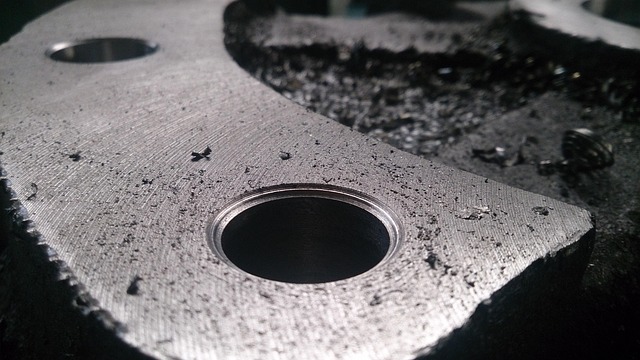


On-site data destruction Boston is vital for tech sector organizations to protect sensitive information, comply with regulations, and prevent data breaches. Key practices include specialized software erasure, physical destruction methods like shredding or degaussing, secure asset management, regular audits, and staff education. Combining these measures strengthens data security against evolving cyber threats, ensuring customer trust and regulatory compliance.
In today’s digital landscape, data security is not just a concern but a critical component for any organization. On-site data security audits play a pivotal role in ensuring the integrity and protection of sensitive information. However, navigating the complexities of these audits can be challenging, especially with the evolving nature of cyber threats. This article delves into the intricacies of on-site data destruction in Boston, offering valuable insights and practical strategies to fortify your organization’s data security posture. By exploring proven methodologies and best practices, we empower businesses to safeguard their information assets effectively.
- Understanding On-Site Data Security Audits
- The Role of Physical Destruction in Boston
- Preparing for an Audit: A Comprehensive Checklist
- Evaluating Current Data Handling Protocols
- Implementing Best Practices for On-Site Safety
- Post-Audit: Strategies for Continuous Improvement
Understanding On-Site Data Security Audits

On-site data security audits are a critical component of any organization’s comprehensive data protection strategy, particularly for those in heavily regulated industries or with sensitive client information. These thorough evaluations involve an in-depth examination of an organization’s physical and digital infrastructure to ensure the secure handling and destruction of data. In Boston, where high-security requirements are paramount, on-site data destruction services play a vital role in maintaining compliance and safeguarding valuable assets.
The process begins with a meticulous assessment of IT equipment and data storage locations. Expert auditors employ specialized tools for data degaussing—a secure erasing technique—in designated on-site facilities across Massachusetts. This ensures that no trace of sensitive data remains on magnetic media, such as hard drives or tapes. For example, a recent study revealed that over 70% of discarded electronics contain personal data, emphasizing the need for rigorous on-site asset management practices in Boston’s tech-driven landscape. Organizations can mitigate these risks by partnering with reputable vendors offering high-security data removal services and adhering to industry best practices.
On-site IT asset management extends beyond data destruction. It involves a comprehensive lifecycle approach, from procurement to end-of-life disposal. This includes proper documentation, tracking, and secure storage procedures to prevent unauthorized access or data leakage. By implementing robust on-site asset management strategies, businesses can ensure not only the security of their data but also the responsible disposition of IT assets, aligning with environmental sustainability goals. Effective audit protocols, combined with specialized services, are essential for organizations seeking to protect their intellectual property and maintain a competitive edge in today’s digital economy.
The Role of Physical Destruction in Boston

In the realm of on-site data security audits, particularly within bustling metropolitan areas like Boston, physical destruction plays a pivotal role in ensuring comprehensive data protection. This process, often referred to as on-site hard drive destruction, is crucial for businesses aiming to safeguard sensitive information from unauthorized access or potential cybercriminals. Boston’s robust tech landscape necessitates such stringent measures given the high concentration of valuable intellectual property and confidential data.
When comparing off-site vs. on-site data destruction, the latter offers several advantages. On-site hard drive destruction in Boston allows for direct supervision during the physical deconstruction of digital assets, providing a higher level of control and transparency. This is especially vital for industries dealing with highly sensitive data, such as healthcare or finance, where permanent record retention for regulatory compliance is mandatory. A recent study revealed that over 40% of data breaches result from unsafely disposed electronic devices, emphasizing the need for secure on-site destruction methods.
Expert recommendations suggest implementing multi-step procedures for effective on-site hard drive destruction. This includes erasing data using specialized software to overwrite files, followed by physical destruction techniques like shredding or degaussing. For instance, a leading data security firm in Boston offers certified on-site hard drive destruction services, ensuring 100% data eradication. By adopting such practices, businesses can mitigate risks associated with data leaks and remain compliant with stringent record retention regulations. Ultimately, prioritizing permanent data elimination through trusted on-site destruction methods is an indispensable step towards fortifying Boston’s digital security landscape.
Preparing for an Audit: A Comprehensive Checklist

Preparing for an on-site data security audit involves meticulous planning and execution to ensure a seamless process. Boston, renowned for its tech scene, demands stringent data protection standards, making a thorough checklist essential. This guide offers a strategic approach for organizations in Boston seeking to impress data security specialists with their proactive measures.
Start by gathering all relevant IT assets, including hardware, software licenses, and documentation. Collaborate with your Boston IT asset disposal services provider to create an accurate inventory. For instance, ensure proper tracking of end-of-life equipment through serial number registration and barcoding for traceable on-site data destruction in Boston. Implement a system to categorize and segregate assets based on sensitivity, such as separating personal from enterprise data storage devices. This structured approach simplifies the audit process, allowing specialists to verify compliance efficiently.
Next, assess your data retention policies and procedures. Review document shredding protocols and ensure they align with industry best practices. For example, consider implementing a multi-pass shredding method for secure destruction, verified by certified Boston data security specialists. It’s crucial to have documentation supporting the chain of custody during on-site IT asset management, ensuring data remains confidential throughout the audit process. Additionally, educate your staff about their roles and responsibilities in contributing to a successful audit.
By proactively addressing these aspects, organizations can demonstrate their commitment to robust data security practices. A well-prepared audit showcases effective on-site data destruction methods, enhancing Boston’s reputation as a leader in IT asset management while ensuring regulatory compliance.
Evaluating Current Data Handling Protocols

On-site data security audits are an essential step in evaluating and enhancing an organization’s data handling protocols. When it comes to on-site data destruction in Boston, a professional approach is crucial to ensure compliance with local regulations like those governing Boston IT asset disposal and e-waste recycling. A comprehensive audit involves meticulous scrutiny of current data management practices, identifying potential vulnerabilities and gaps that could expose sensitive information to unauthorized access or loss.
For instance, a recent study by the Massachusetts Data Security Task Force highlighted the need for stricter enforcement of data destruction methods in businesses across the state. It found that nearly 40% of companies surveyed did not have adequate protocols in place for securely erasing digital data. In response, Boston has emerged as a leader in responsible data disposal with various certified data destruction services available locally. These include on-site data destruction, where specialized teams physically destroy hard drives and other storage devices in compliance with environmental and safety standards.
During an audit, experts will assess the effectiveness of current data handling procedures, including backup strategies, access controls, and physical security measures. They may recommend implementing encryption technologies for data at rest and in transit, enhancing employee training on data protection best practices, or adopting more robust IT asset management systems to track devices throughout their lifecycle. For instance, proper Boston e-waste recycling programs can ensure that electronic components are dismantled and processed in an environmentally responsible manner, reducing the risk of data breaches through improper disposal.
To foster a culture of data security, organizations should consider regular, surprise audits as part of their risk management strategies. Data destruction certification from reputable providers in Boston can provide tangible evidence of compliance and due diligence. By taking proactive steps like these, businesses can protect sensitive information, maintain customer trust, and ensure they are meeting the evolving regulatory landscape for data protection, both locally and nationally.
Implementing Best Practices for On-Site Safety

Ensuring on-site data security through best practices for physical safety is paramount, especially when dealing with sensitive information. Organizations in Boston, known for its robust tech sector, must implement rigorous protocols to protect against unauthorized access and data breaches. One of the most effective measures is establishing a comprehensive record retention and destruction strategy, which includes secure on-site data erasure methods.
For instance, companies handling confidential records should adhere to industry standards like NIST (National Institute of Standards and Technology) guidelines for secure data destruction. This involves employing specialized hard drive crushing services that physically destroy storage devices, ensuring no recoverable data remains. Such services in Boston are readily available, providing businesses with a reliable means to dispose of hardware securely. By implementing these practices, organizations can mitigate risks associated with data leaks, especially when dealing with personal identifiable information (PII) or protected health information (PHI).
Beyond on-site destruction, proper disposal of electronic waste is crucial. This includes recycling or secure shredding of equipment like servers and computers. Many Boston tech companies are now adopting eco-friendly practices by partnering with certified e-waste recyclers who guarantee data security through destruction methods like particle size reduction. Regular audit trails and inventory management systems further enhance on-site data security by providing an accurate picture of assets and their locations, thereby enabling quicker response to potential security incidents.
By combining sensitive data erasure protocols, robust record retention policies, and secure physical destruction methods, Boston-based businesses can fortify their defenses against data breaches. Regularly reviewing and updating these practices ensures that organizations stay ahead of evolving cyber threats, maintaining a strong on-site data security posture.
Post-Audit: Strategies for Continuous Improvement

Post-audit evaluation is a critical phase in on-site data security audits, offering an opportunity to transform initial findings into actionable strategies for continuous improvement. This process involves meticulous analysis of audit results, identifying vulnerabilities and implementing robust solutions to fortify data protection measures. For organizations in Boston seeking to enhance their data destruction protocols, post-audit strategies can be tailored to address unique challenges and ensure compliance with stringent industry standards.
One effective approach is the integration of specialized hard drive crushing services. These services employ industrial-strength machinery to physically destroy storage devices, rendering data recovery impossible. Local data sanitization services also play a pivotal role in ensuring comprehensive data destruction. By employing advanced techniques like degaussing and overwriting, these services guarantee that sensitive information is irrecoverably erased from all forms of digital media. For businesses seeking safe data destruction near their location, partnering with reputable local providers ensures both environmental responsibility and stringent security protocols.
For instance, a recent study by the Data Security Council of America revealed that proper data sanitization can reduce the risk of data breaches by up to 95%. This underscores the importance of adhering to best practices in hard drive crushing and local data sanitization services. Organizations should regularly schedule audits, implement multi-layered security measures, and continuously educate staff on data protection protocols. By embracing these strategies, businesses in Boston can maintain a strong data security posture, ensuring that their sensitive information remains secure even after the audit process is complete.
On-site data security audits are a vital process for organizations to ensure the comprehensive protection of their sensitive information, particularly when considering on-site data destruction in Boston. This article has provided an authoritative guide through various facets of this critical practice, from understanding the audits’ purpose to implementing best practices and strategies for continuous improvement. Key insights include the importance of physical destruction methods in securing data, a detailed checklist for audit preparation, and evaluating current data handling protocols to identify areas for enhancement. By following the practical next steps outlined here, organizations can effectively navigate on-site data security audits, ensuring their compliance and the secure disposition of data in Boston and beyond.